
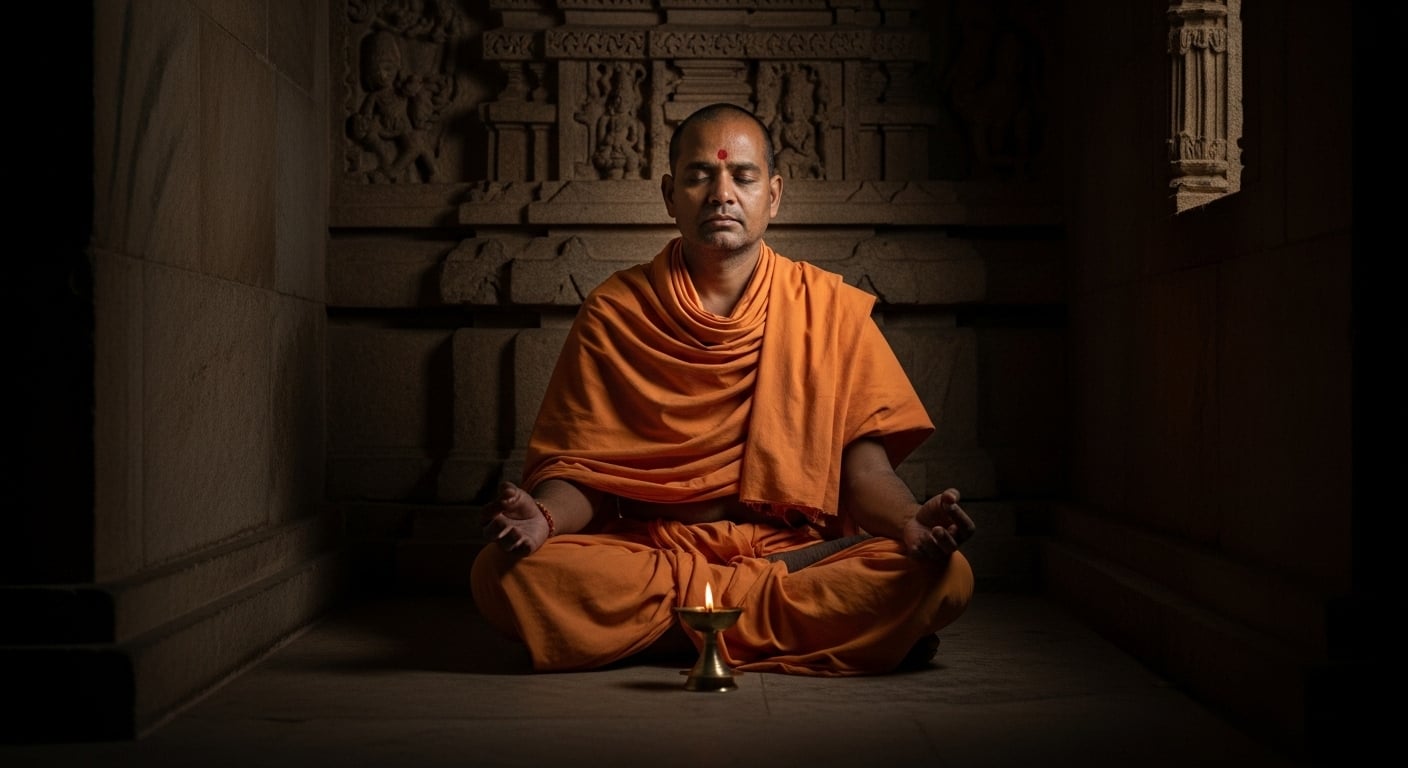
Learn what shapes the Navdhya brand, from its service values and visual philosophy to the trust signals that guide the customer experience.
Want a clearer next step? Learn about Navdhya or speak with our team.
The brand begins with how a sacred service should feel
A spiritual brand cannot be built like a generic consumer label. Families approach ritual services with trust, emotion, and cultural expectation, so the identity of the platform has to reflect more than visual polish. Navdhya brand identity starts with a basic question: what should a family feel when planning something sacred. The answer is not urgency or sales pressure. It is calm, clarity, respect, and confidence that tradition is being handled with seriousness.
That emotional expectation shapes the brand more deeply than any slogan. The platform is meant to feel dependable without becoming cold, modern without becoming detached from tradition, and structured without becoming mechanical. Those tensions are where the brand becomes distinctive. It exists to make sacred services more accessible while preserving reverence at every step.
Brand values are expressed through service behavior
The strongest brand values are the ones families can actually experience. In this case, that means authenticity, trust, clarity, and respect for household context. Navdhya expresses these values through service behavior rather than through abstract language alone. Families should see them in priest verification, preparation support, communication style, and the overall tone of the booking journey.
This is important because spiritual trust can be lost quickly when brand language and service reality drift apart. A household does not judge a platform by a manifesto page only. It judges by whether the service behaves in a way that feels honest and consistent. The brand is therefore built as much through operations as through messaging.
The visual identity is meant to feel grounded, not flashy
Visual identity matters in a category where many families are already sensitive to tone. If a spiritual platform looks careless, overly noisy, or aggressively commercial, trust weakens before the booking even begins. Navdhya brand design is strongest when it communicates steadiness. The visual system should support a sense of dignity, softness, and controlled confidence rather than trying to force attention through excess.
That does not mean the brand must feel old or static. It means modern design choices have to serve the atmosphere of ritual life. Families often respond well to visual language that feels clean, warm, and unobtrusive enough to let the service itself remain central. The identity works when it feels contemporary but not trend-driven.
Language is part of the brand experience too
The words used across the platform carry as much weight as the logo or color system. Spiritual services are easy to cheapen through rushed or exaggerated language. Navdhya brand voice works best when it is measured, informative, and confident without being theatrical. Families want service information they can trust, not language that makes a sacred ceremony sound like a flash sale.
That tone also helps the platform speak to multiple audiences at once. Some households are deeply familiar with ritual language, while others are first-time bookers who need accessible explanations. A good brand voice can honor both. It keeps the language respectful and grounded while still making the service understandable for modern families.
Why brand identity matters in a trust-heavy category
In categories driven by sacred responsibility, brand identity is not decorative. It is one of the first signals that tells families whether a platform takes its role seriously. Navdhya brand identity matters because it helps set expectations before the booking even begins. A household should feel that the platform understands ritual significance, household sensitivity, and the need for clear support around important ceremonies.
When the identity is aligned with the service, it becomes easier for families to trust what they are seeing. The experience feels more coherent because the same values appear in design, language, process, and delivery. That kind of alignment is one of the strongest forms of brand strength in a service business like this.
What the Navdhya brand is ultimately trying to communicate
At its core, the brand is trying to communicate that spiritual services can be both authentic and well organized. Families should not have to choose between reverence and clarity, or between tradition and a well-designed service experience. The platform exists to hold those ideas together in a way that feels credible.
That is why the Navdhya brand is best understood as a trust system rather than a marketing wrapper. It signals what the family can expect from the relationship: seriousness, thoughtful support, and a modern service approach that still honors sacred practice. For a household deciding whether to invite the platform into an important family moment, that signal matters a great deal.
Helpful next steps
Want a clearer next step? Learn about Navdhya or speak with our team.