
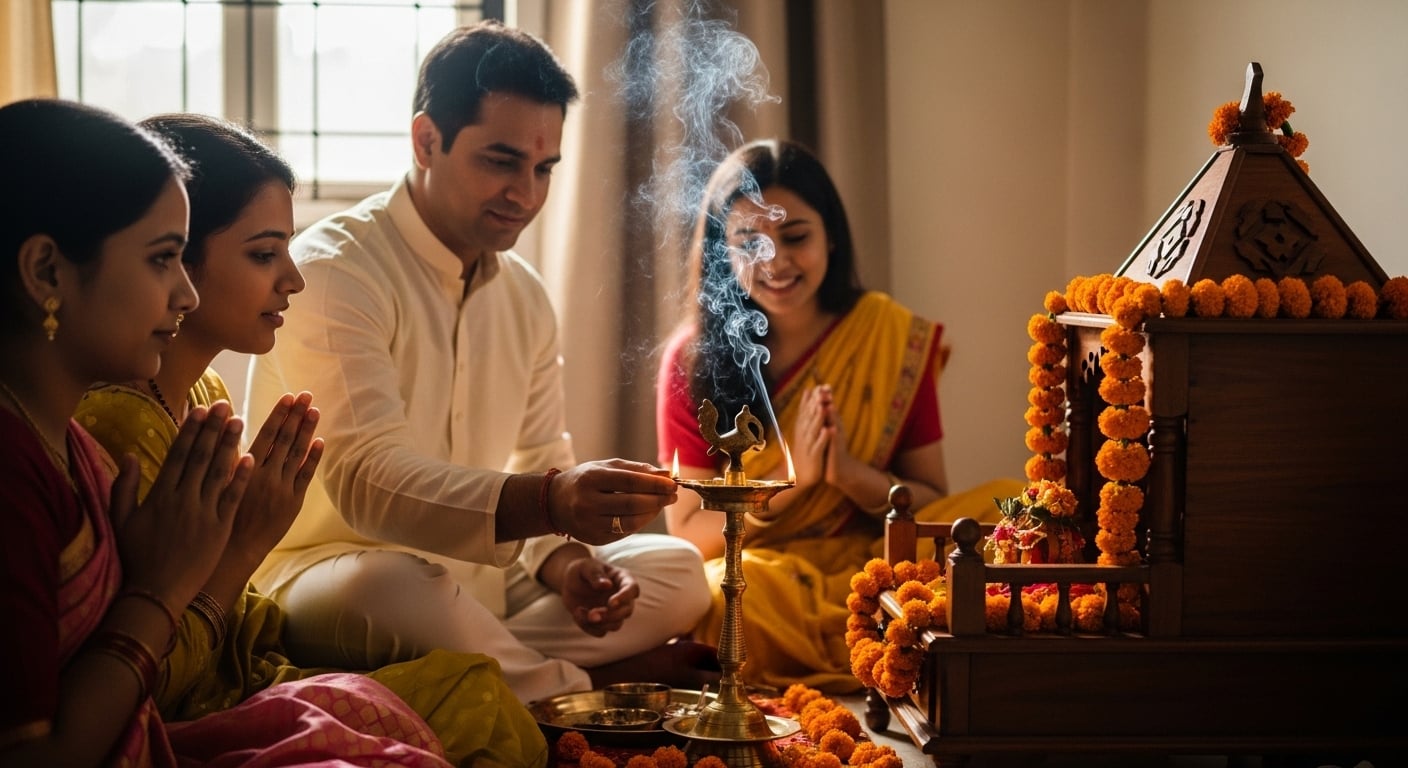
Learn how Navdhya supports griha pravesh ceremonies through priest booking, home preparation guidance, and ritual planning.
Need personal guidance? Request a consultation or book a service.
Why griha pravesh feels so important to families
A new home is rarely just a real-estate milestone. For many families, it represents effort, blessing, transition, and the beginning of a new domestic chapter. That is why griha pravesh matters so deeply. Navdhya supports this ceremony because families often want the event to feel spiritually complete, not merely scheduled. They want to enter the home with gratitude and auspicious intention rather than treating the move as only a logistical shift.
This emotional significance is also why the planning needs to feel clear. A household already managing relocation, furnishing, and family coordination does not need added ritual confusion. The service becomes most valuable when it helps reduce strain without reducing the seriousness of the ceremony itself.
Home preparation is part of the ceremony experience
Griha pravesh is unique because the home is not only the venue - it is the subject of the ritual. Navdhya helps families approach that with more clarity by supporting both the booking and the preparation mindset around the ceremony. The household often needs to think about space, timing, family participation, and the emotional rhythm of entering a new place with blessing.
That is one reason this service requires more than a simple priest appointment. The best experience comes when the family understands how the home environment and the ritual flow support each other. A better preparation path can make the ceremony feel calmer and more meaningful.
Families often need a blend of ritual and practical guidance
Many first-time griha pravesh bookings involve questions that are both spiritual and practical. What should happen first. How should the family think about timing. What kind of support makes the ceremony feel complete. Navdhya is useful because it helps bring those questions into a more structured service path instead of leaving the household to resolve everything through fragmented informal advice.
This does not mean the service replaces family custom. It means the platform can help the family approach the ceremony with more confidence and less uncertainty around the planning process.
Why this ceremony is especially relevant for urban households
Modern households often enter new apartments or compact urban homes rather than large ancestral properties. That changes the practical setting but not the significance of the ritual. Navdhya griha pravesh support matters because it helps families conduct the ceremony meaningfully within the conditions of city life. The service can make the ritual feel more workable without making it feel smaller in spiritual importance.
Urban households often value clarity around timing, space use, and participation because those factors influence how smoothly the day unfolds. A structured service helps the family protect the sacred feeling of the occasion even within practical constraints.
Why trust matters so much for a new-home ritual
A housewarming ceremony often happens only once for a given home, which makes the family's trust decision especially important. They want to feel that the service is dependable and that the ritual will be approached with dignity. Navdhya becomes valuable when it makes that trust easier to place through clearer preparation and better service structure.
This is one of the reasons griha pravesh is such a strong use case for a more organized ritual platform. The household is already carrying the emotional and practical weight of a major transition. A calmer service experience can make a real difference.
Why families choose the platform for griha pravesh
Families often choose Navdhya griha pravesh support because they want a ceremony that feels both authentic and manageable. They are not looking only for ritual performance. They are looking for a better path into an important family beginning. The platform helps when it makes that beginning feel more supported and less fragmented.
For households entering a new home, that kind of support can carry lasting emotional value. It allows the ritual to mark the transition properly and gives the family a stronger sense that the new space has been entered with intention, gratitude, and blessing.
Helpful next steps
Need personal guidance? Request a consultation or book a service.